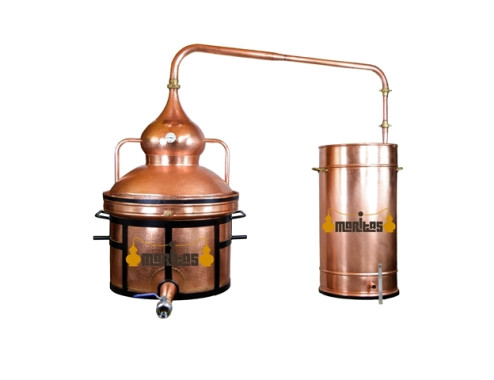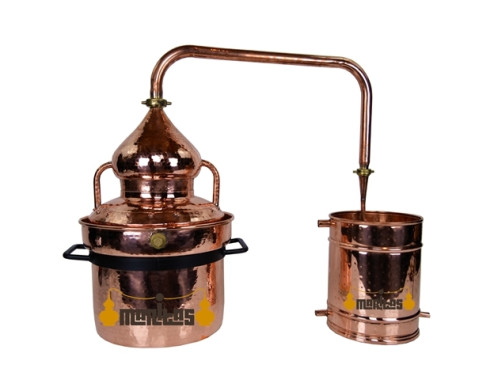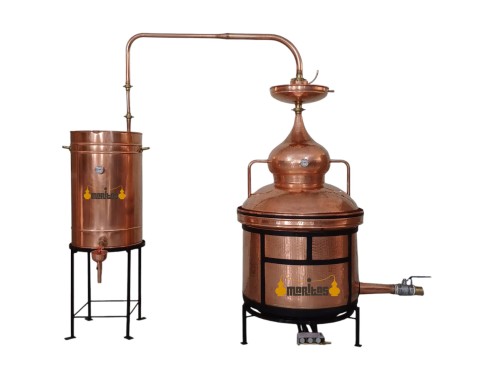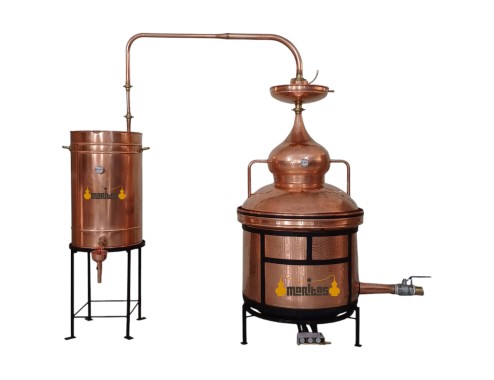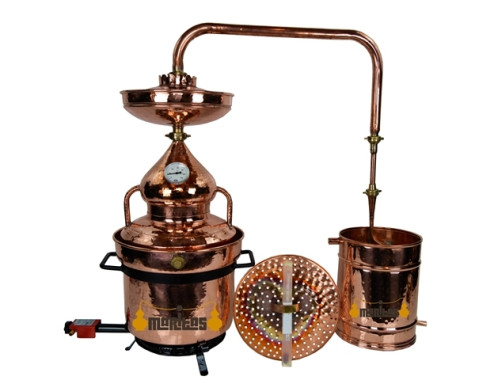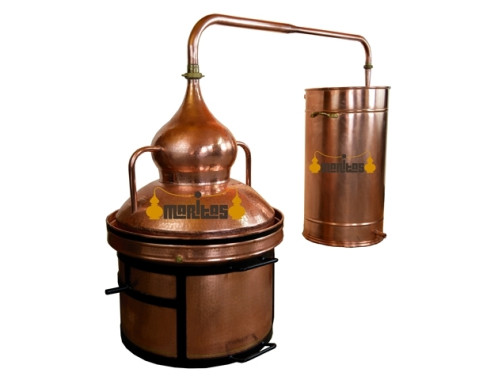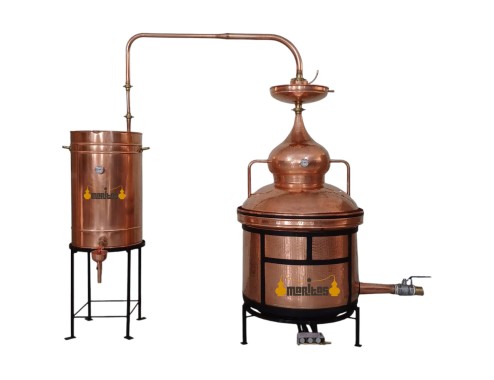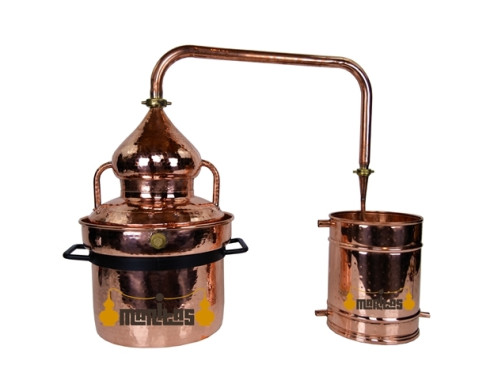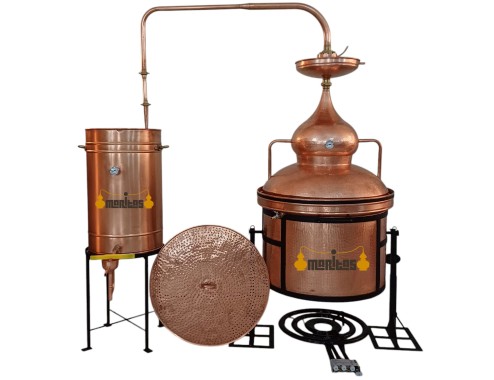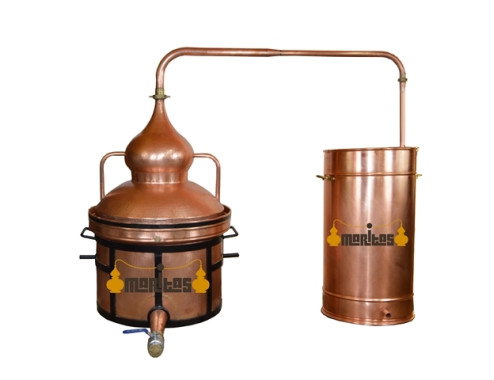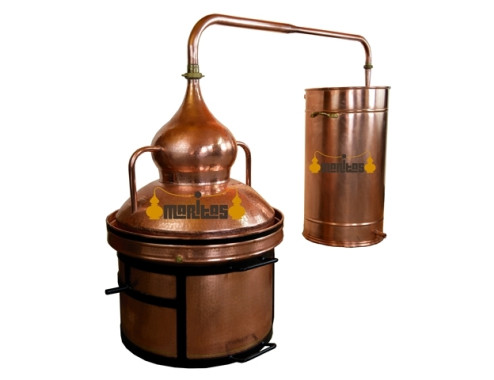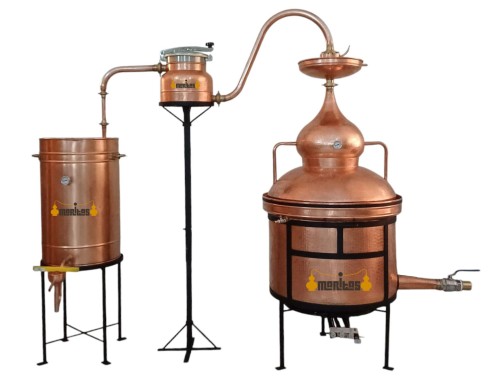
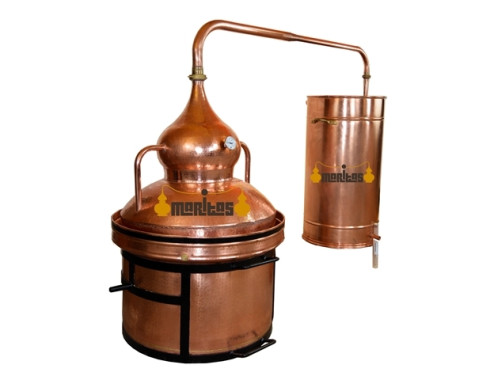



🥇 200-Litre Complete Hydraulic Still for SOLIDS
✨ Designed for distilling solid or semi-solid fermented materials such as fruit, grape marc, grains and mash.
🔨 2 mm hammered copper, brass nuts and iron handles.
🧱 Reinforced boiler and high-performance condenser.
🛢 Total capacity: 220 L · Working capacity: 200 L · ⏳ 4–5 hours.
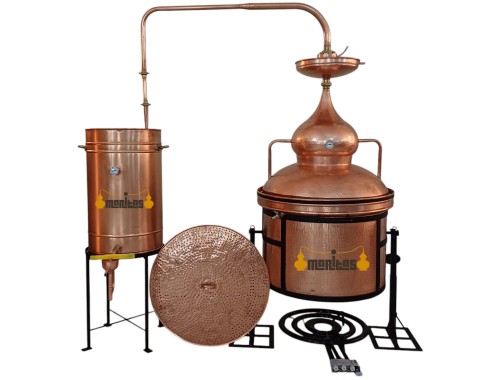
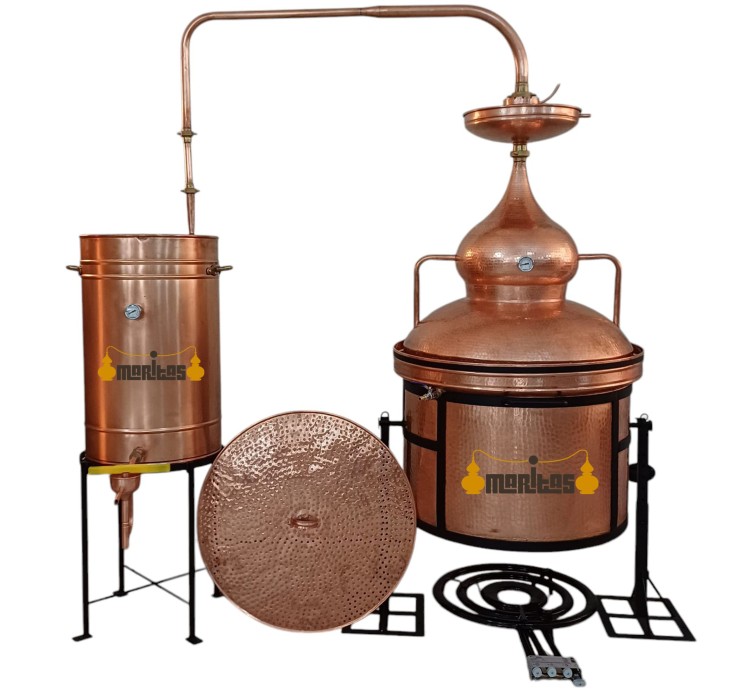
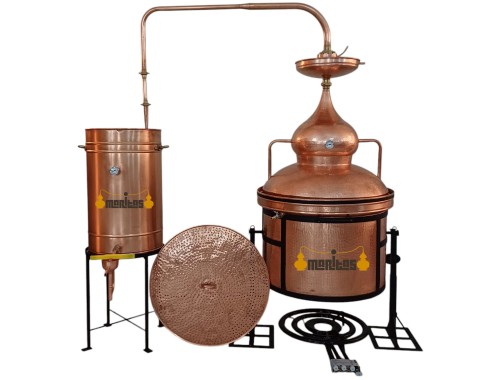
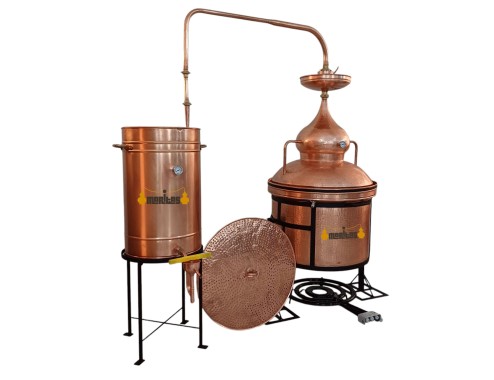
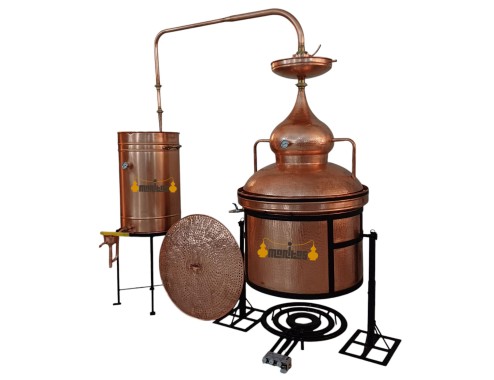
🎁 Includes 2 thermometers, alcoholmeter and holder, solids support grate, 60 cm gas burner, rectification lens and iron supports.
✨ Made to order
📩 Request your personalised quote
⏱️ Check delivery times

Security Policy

Delivery Policy

Return Policy
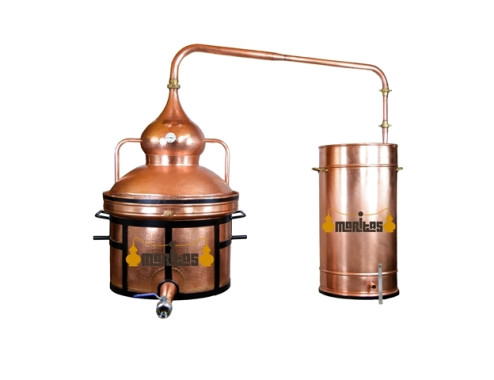
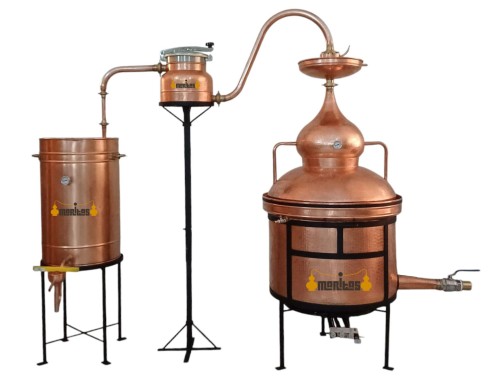
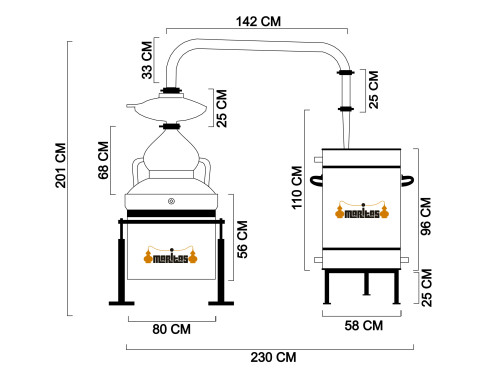
The 200-Litre Complete Hydraulic Still for SOLIDS is specifically designed for the alcoholic distillation of solid or semi-solid fermented materials, including fruit, grape marc, grains and mash. Its reinforced construction, efficient condensation system and comprehensive range of accessories help optimise the distillation process and support the production of high-quality, pure distillates.
🔨 Made from 2 mm thick hammered copper sheet.
🟡 Fitted with brass nuts and iron handles.
🔗 Welded joints throughout the structure for strength and durability.
🧱 The boiler features protective iron reinforcements to help protect it during distillation and make it easier to tip out the remaining material.
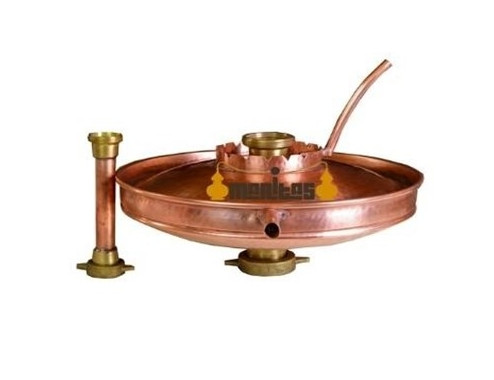
The condenser promotes efficient vapour condensation and optimises gas flow during distillation. This supports efficient operation and helps produce a cleaner, purer distillate.
For simple distillation without a rectifier, using a fermented liquid with an initial alcohol content of approximately 10% ABV, the estimated output is 20–30 litres of distillate at around 45% ABV.
With rectification, the estimated output is 15–20 litres of distillate at around 75% ABV.
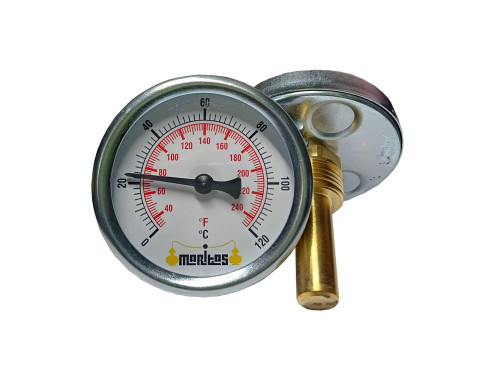
✔ Two large thermometers with a 0–120 °C scale.
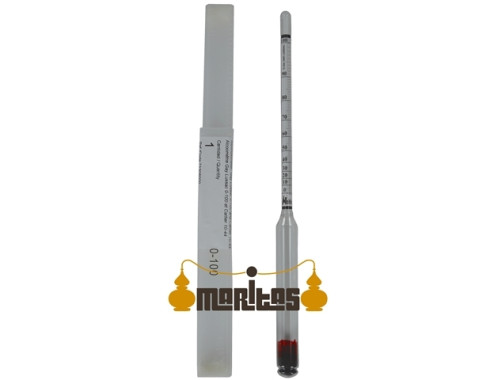
✔ Alcoholmeter with a 0–100° scale.
✔ Alcoholmeter holder.
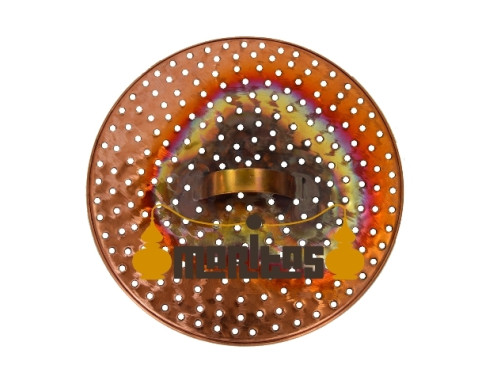
✔ Separation grate to help prevent solids from sticking to the bottom of the boiler.
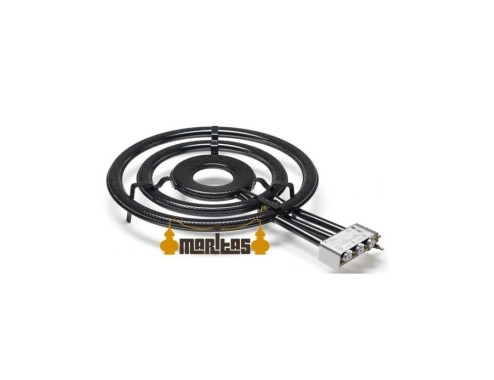
✔ Dedicated 60 cm gas burner designed for this model.
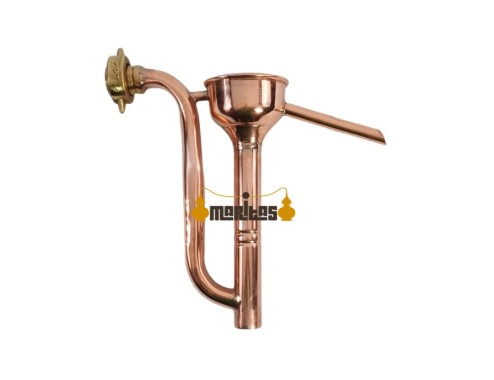
✔ Rectification lens to help achieve a higher alcohol purity.
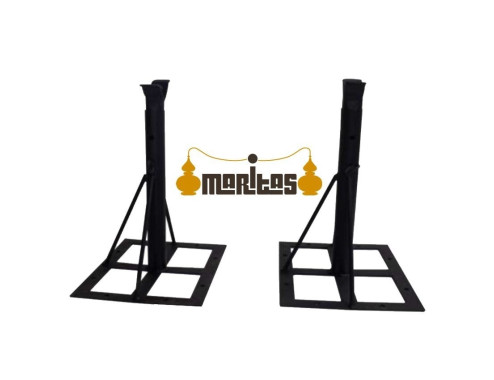
✔ Iron supports for tipping the boiler and cooler.
The reinforced structure, high-performance condenser and included accessories are designed to optimise operation and improve overall distillation performance in terms of both quality and quantity.
Note: The output figures are approximate estimates. Actual results depend on the composition and initial alcohol content of the fermented material, as well as operating conditions.

FICHA TÉCNICA
Download (601.92KB)TECHNICAL SHEET
Download (616.18KB)FICHE TECHNIQUE
Download (668.04KB)DATENBLATT
Download (638.85KB)SCHEDA DATI
Download (608.42KB)

🥇 200-Litre Complete Hydraulic Still for SOLIDS
✨ Designed for distilling solid or semi-solid fermented materials such as fruit, grape marc, grains and mash.
🔨 2 mm hammered copper, brass nuts and iron handles.
🧱 Reinforced boiler and high-performance condenser.
🛢 Total capacity: 220 L · Working capacity: 200 L · ⏳ 4–5 hours.
🎁 Includes 2 thermometers, alcoholmeter and holder, solids support grate, 60 cm gas burner, rectification lens and iron supports.
✨ Made to order
📩 Request your personalised quote
⏱️ Check delivery times